
Why Every City Talks About Redevelopment Today
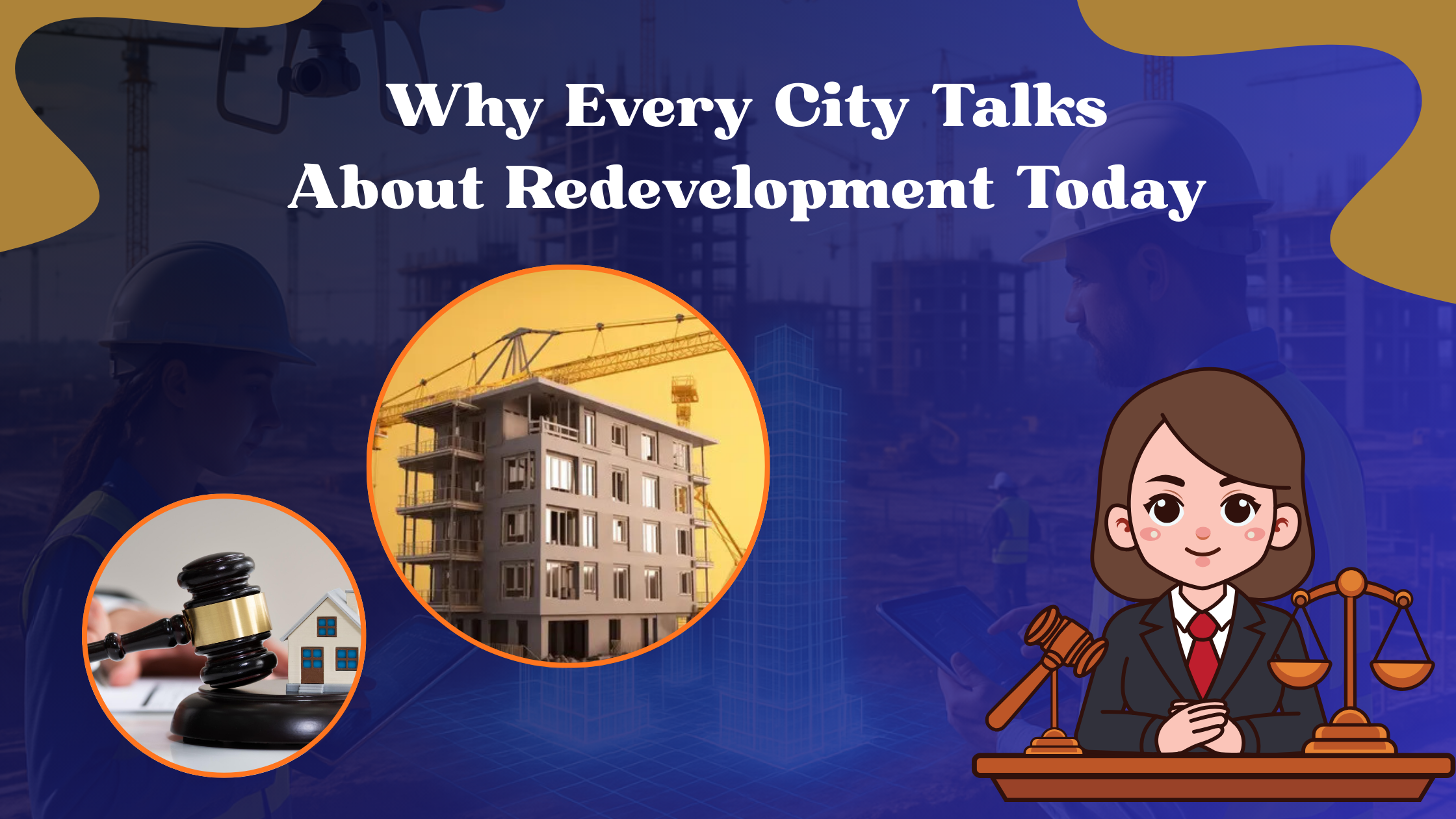
Cities grow, evolve, and change over time. As urban populations increase and infrastructure ages, redevelopment has become a common topic worldwide. It involves more than just tearing down and rebuilding. It focuses on rethinking spaces to meet modern needs, improve safety, and raise the overall quality of life.
From housing societies in Mumbai to neighbourhoods in Bengaluru, the demand for redevelopment is stronger than ever. Old buildings, once sources of pride, now struggle to meet current expectations. Redevelopment connects the past with the future.
Why Redevelopment Matters
Redevelopment is more than just a trendy term; it brings significant benefits for both residents and cities.
- Stronger and safer homes: Many buildings built decades ago are no longer secure. Redevelopment ensures they meet modern safety standards.
- Lifestyle upgrades: New layouts, elevators, dedicated parking, green spaces, and recreational facilities provide comfort for residents.
- Efficient land use: With limited urban land available, redeveloping existing sites uses space better.
- Boost in property value: Redeveloped apartments typically see higher demand and better resale value in the real estate market.
These advantages make redevelopment a powerful tool for urban growth and community well-being.
Why Cities Are Talking About It
In India, redevelopment is gaining traction for several reasons:
- Population density: Growing populations need more efficient housing.
- Ageing infrastructure: Buildings from the 1970s and 1980s often lack durability and need to be replaced urgently.
- Government initiatives: Policies that encourage redevelopment offer tax incentives and faster approvals.
- Modern aspirations: Families seek homes that cater to today’s lifestyle needs, including digital connectivity and sustainable features.
- Community renewal: Redevelopment projects not only upgrade homes but also improve surrounding neighbourhoods.
In this way, redevelopment is more than just about buildings; it represents social change.
The Role of Legal Guidance
Redevelopment projects involve numerous stakeholders, including residents, developers, and government authorities. Agreements, regulations, and approvals can be overwhelming. Expert lawyers in Mumbai play a crucial role in this process. They provide clarity, ensure fair contracts, and protect residents from potential risks.
Legal guidance ensures redevelopment is a secure journey, where everyone feels protected.
Building Trust Through Transparency
For families, redevelopment is a personal decision. Leaving a home filled with memories takes trust in the process. Developers also need to feel confident that projects will move forward without conflicts.
Transparent agreements and solid legal frameworks build this trust. Housing societies often turn to the best real estate lawyers in Mumbai to ensure their rights are upheld, agreements are fair, and every clause serves the community’s interests.
Redevelopment and Its Human Side
Beyond numbers and contracts, redevelopment is about people. It involves temporarily leaving familiar places with the hope of returning to something better. Communities that embrace redevelopment gain improved infrastructure and strengthen their shared identity.
When residents return to their new homes, they not only have better facilities but also renewed pride in their neighbourhoods. Responsible redevelopment strengthens, rather than weakens, community bonds.
Looking Ahead
With India focusing on smart cities and sustainable growth, redevelopment will keep shaping urban areas. It addresses housing shortages, boosts infrastructure safety, and ensures cities meet modern needs.
For residents, it means living in safer, more valuable, and better-connected spaces. For cities, it signifies growth without uncontrolled sprawl. For communities, it offers a chance to build stronger, more vibrant neighbourhoods.
Conclusion
Every city is talking about redevelopment today because it provides a practical solution to major urban living challenges. It revitalises neighbourhoods, enhances safety, and ensures homes meet modern family aspirations.
While the process can be complicated, the right professional support facilitates smooth execution. With legal experts assisting both residents and developers, redevelopment shifts from a challenge to an opportunity.
